1857 — 1866 · Money, Mayhem & Might

How the Civil War changed our money — and how money changed the war.

Ten tumultuous years of panics, greenbacks, counterfeiters, phantom mints and “Treasury Girls” — the story of how a nation at war invented the money we still carry today.

1857 — 1866 · Money, Mayhem & Might

How the Civil War changed our money — and how money changed the war.

Ten tumultuous years of panics, greenbacks, counterfeiters, phantom mints and “Treasury Girls” — the story of how a nation at war invented the money we still carry today.

“War is Hell. War is expensive as Hell.”

Gen. William T. Sherman — and the corollary by Money, Mayhem & Might

30%

of all circulating currency was counterfeit

$150M

in "Greenbacks" authorized by the 1862 Legal Tender Act

~1,600

banks converted under the National Banking Act of 1863

$1 = $30

one Civil War dollar in today's money

The Story

Ready for war? Neither Treasury was.
In 1861 the federal government printed no currency at all. Customs houses collected tariffs in hard coin from maritime trade, and three of the nation’s five mints sat in Southern states.

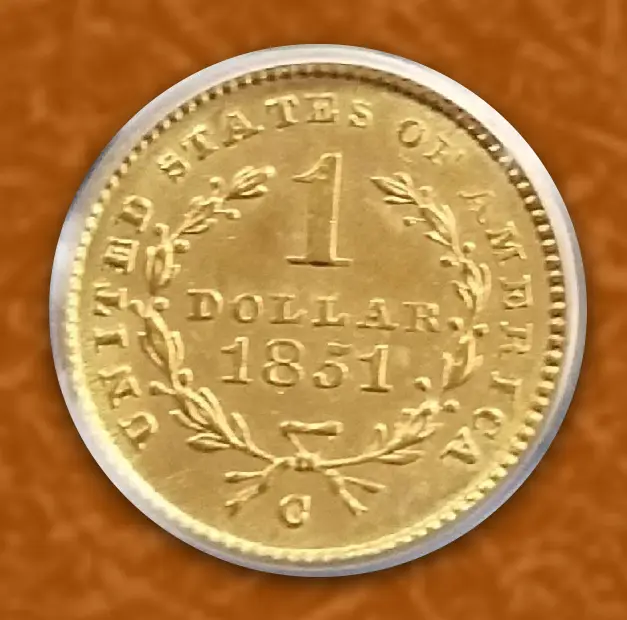
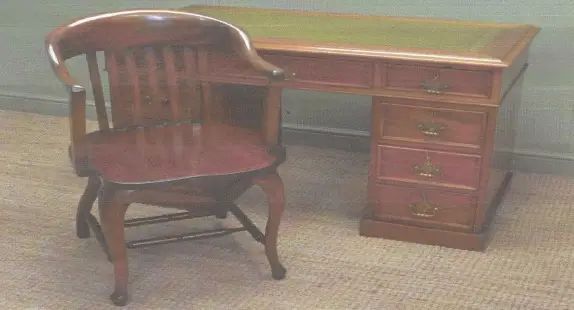
The Confederacy opened its first Treasury in a small rented room in Montgomery, Alabama — a used desk, a few chairs, and a card on the door with the department’s name scrawled on it. It seized the mints at New Orleans, Charlotte and Dahlonega, plus Southern customs houses holding an estimated $7–10 million in gold and silver.

“The North fought the war with one hand tied behind its back.”


— Shelby Foote, Civil War Historian

Treasuries of the North vs. South

AssetsU.S. 1861CSA 1861U.S. 1863CSA 1863
Mints5023
Customs houses1500~100~50
Printing plants001Several

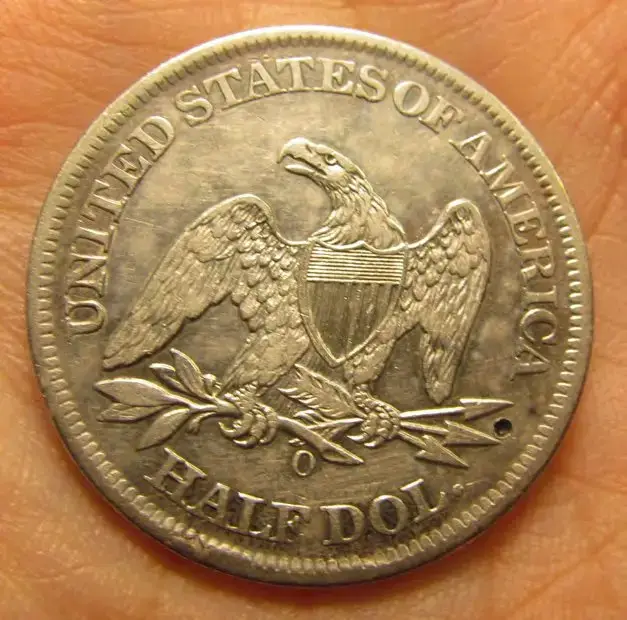
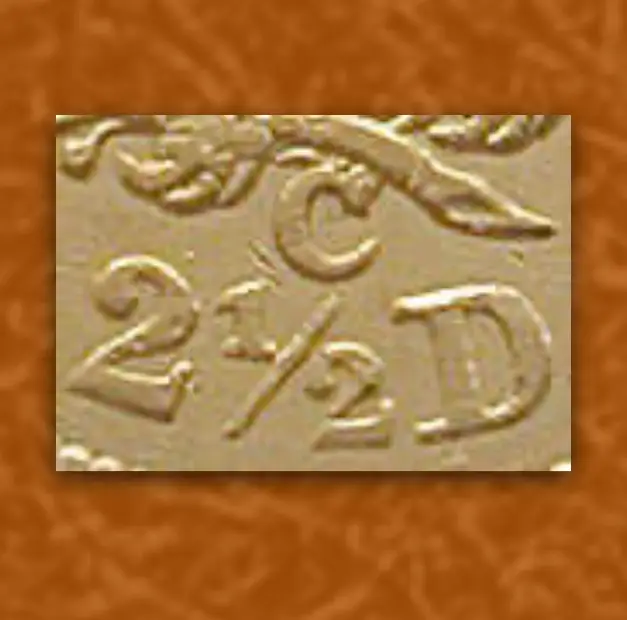
Coins of the Southern mints — the “O” mark of New Orleans, where melter and refiner Max Bonzano worked as a Union spy.

The Story

Ready for war? Neither Treasury was.

In 1861 the federal government printed no currency at all. Customs houses collected tariffs in hard coin from maritime trade, and three of the nation’s five mints sat in Southern states.

The Confederacy opened its first Treasury in a small rented room in Montgomery, Alabama — a used desk, a few chairs, and a card on the door with the department's name scrawled on it. It seized the mints at New Orleans, Charlotte and Dahlonega, plus Southern customs houses holding an estimated $7–10 million in gold and silver.

“The North fought the war with one hand tied behind its back.”

— Shelby Foote, Civil War Historian

Treasuries of the North vs. South

AssetsU.S. 1861CSA 1861U.S. 1863CSA 1863
Mints5023
Customs houses1500~100~50
Printing plants001Several

Coins of the Southern mints — the “O” mark of New Orleans, where melter and refiner Max Bonzano worked as a Union spy.

Timeline

Ten years that remade American money

  1. 1857

    Panics & Patents

  2. 1861

    The Civil War Begins

    • Morrill Tariff passes; Lincoln inaugurated; Fort Sumter attacked
    • CSA begins printing billions — “only promises to pay”
    • Salmon Chase secures a $50 million bank loan for the north
    • Revenue Act and the first Demand Notes
  3. 1862

    Greenbacks

    • Legal Tender Act — fiat currency is born in the North
    • First income tax; Commissioner of Internal Revenue created
    • “Treasury Girls” hired; Postage Currency Act
    • Denver (Pike’s Peak) Branch Mint authorized
  4. 1863

    National Banks

    • National Bank Act obsoletes state bank notes
    • Hugh McCulloch named first Comptroller of the Currency
    • Carson City Mint authorized (Comstock Lode)
    • Fractional Currency Act
  5. 1864

    In God We Trust

    • “In God We Trust” vs.
      “E Pluribus Unum”
    • Civil War tokens outlawed; Anti-Gold Futures Act
    • The Dalles Mint (Oregon) authorized
    • Lincoln re-elected
  6. 1865

    The War Ends

    • Confederate money becomes worthless
    • Counterfeiting rampant — the Secret Service is created
    • “Eulogy for the Lost Cause,” written on a $500 CSA note
  7. 1866

    “No Living Person…”

    • The “Dead Presidents” Act bans living likenesses on money
    • Joe Wharton’s “Nickel Nickel” — the five-cent piece we know
    • First coins struck at Carson City

Chapters

Stories from the presentation

Chapters

Stories from the presentation

The Mighty Money Machine

The Legal Tender Act of 1862 made paper money "a loan without interest and a national currency." Rep. Elbridge Spaulding, its author, was said by Cornelius Vanderbilt to have "conjured money out of nothing… he contributed more to the Union victory than any single battlefield victory."

“Running the Machine,” Currier & Ives. Library of Congress.

Counterfeiting as a Weapon of War

Some successful counterfeiters were sanctioned in the North to flood the South with fake Confederate notes. Jefferson Davis reportedly put a $10,000 bounty on Philadelphia’s Samuel Upham — “Wanted: Dead or Alive.” A Confederate congressman declared Upham “has done more to injure the Confederate cause than General McClellan and his Army.”

Some fakes were better than the real deal. By war’s end it took a new agency — the Secret Service — to fight back.

Counterfeiting as a Weapon of War

Some successful counterfeiters were sanctioned in the North to flood the South with fake Confederate notes. Jefferson Davis reportedly put a $10,000 bounty on Philadelphia’s Samuel Upham — “Wanted: Dead or Alive.” A Confederate congressman declared Upham “has done more to injure the Confederate cause than General McClellan and his Army.”

Some fakes were better than the real deal. By war's end it took a new agency — the Secret Service — to fight back.

The "Treasury Girls" — North and South

Treasurer Francis E. Spinner hired hundreds of women to trim and sign notes, freeing male clerks to enlist — many were war widows and wives of disabled soldiers. Many stayed long after the war: 1863’s “Rosie the Riveter.” In the South, women signed Confederate currency “for the Treasurer” in their own names.

“The fact that I was instrumental in introducing women to employment in the offices of the government gives me more real satisfaction than all the other deeds of my life.” — Francis E. Spinner

The "Treasury Girls" — North and South

Treasurer Francis E. Spinner hired hundreds of women to trim and sign notes, freeing male clerks to enlist — many were war widows and wives of disabled soldiers. Many stayed long after the war: 1863's "Rosie the Riveter." In the South, women signed Confederate currency "for the Treasurer" in their own names.

"The fact that I was instrumental in introducing women to employment in the offices of the government gives me more real satisfaction than all the other deeds of my life." — Francis E. Spinner

No Small Change

As coins vanished into hoards, commerce ran on stamps, merchants' store cards, scrip and tokens. The 1862 Postage Currency Act answered with "paper coins" — and the parade of living faces on fractional notes led straight to the 1866 "No Living Persons" law.

Lincoln remains the only person whose image appeared on U.S. currency both during his lifetime and after.

The Phantom Mint

Lincoln approved branch mints in Colorado, Nevada — and Oregon. The Dalles Mint was finished by 1870 but never struck a coin. Its first director, William Logan, was lost when the S.S. Brother Jonathan sank in 1865. Today it’s home to Freebridge Brewing.

Hugh's Views

"There is no real money except gold and silver…" The first Comptroller of the Currency and "Father" of the National Bank Act, Hugh McCulloch, warned that governments "are absolutely impotent" to give lasting value to notes not convertible into coin.

Demand Notes, 1861

Rare, collectible and convertible — the federal government's first paper money of the war.

Legacy

"The world, after 1865, became a banker's world."

— Henry Adams

The true cost of the war

Economist David Wells estimated in 1869 that the war destroyed or diverted roughly $9 billion in wealth — “a thousand millions a year for nine years.”

  • $4.17Bfederal expenditure, war and post-war
  • $2.7Bdirect expenditure and property loss by the Confederate states
  • $1.2BNorthern losses to industry and shipping
  • $923Madded costs and debt to Northern states

Eight lasting changes to our money

  1. 1

    Greenbacks — fiat currency

    plus the Bureau of Engraving and Printing and the Bureau of Redemption

  2. 2

    A national banking system

    and war bonds as a means to finance war

  3. 3

    The IRS

    income tax added to tariffs to pay for the war

  4. 4

    Women in the federal workplace

  5. 5

    “In God We Trust”

    eventually the national motto, 1956

  6. 6

    The Secret Service

    to tackle counterfeiting

  7. 7

    The nickel five-cent piece

    half dimes phased out

  8. 8

    The “Dead Presidents” Act

    no likeness of a living person on money

Legacy

"The world, after 1865, became a banker's world."

— Henry Adams

The true cost of the war

Economist David Wells estimated in 1869 that the war destroyed or diverted roughly $9 billion in wealth — “a thousand millions a year for nine years.”

  • $4.17Bfederal expenditure, war and post-war
  • $2.7Bdirect expenditure and property loss by the Confederate states
  • $1.2BNorthern losses to industry and shipping
  • $923Madded costs and debt to Northern states

Eight lasting changes to our money

  1. 1

    Greenbacks — fiat currency

    plus the Bureau of Engraving and Printing and the Bureau of Redemption

  2. 2

    A national banking system

    and war bonds as a means to finance war

  3. 3

    The IRS

    income tax added to tariffs to pay for the war

  4. 4

    Women in the federal workplace

  5. 5

    “In God We Trust”

    eventually the national motto, 1956

  6. 6

    The Secret Service

    to tackle counterfeiting

  7. 7

    The nickel five-cent piece

    half dimes phased out

  8. 8

    The “Dead Presidents” Act

    no likeness of a living person on money

Key Characters, 1857–1866

The Cast

Salmon P. Chase

Secretary of the U.S. Treasury, 1861–1864

Hugh McCulloch

"Father" of the National Bank Acts; first Comptroller of the Currency; Treasury Secretary 1865–1869

Gen. Francis E. Spinner

Mohawk Valley Bank president turned Treasurer of the United States

Max Bonzano

New Orleans Mint melter, refiner — and Union "spy"

Rep. Elbridge Spaulding

New York; author of the 1862 Legal Tender Act

Samuel Upham

Master counterfeiter of Philadelphia

William Wood

Director of the Secret Service (anti-counterfeiting)

Christopher Memminger

Secretary of the Treasury, CSA

Upcoming Presentation

Money, Mayhem & Might in Shepherdstown

An illustrated talk by authors and storytellers Rick Lank & Rebecca Rush.

14

October 2026

Wednesday · 1pm – 2:30pm

Shepherdstown, West Virginia

SPARK Lecture Series
Shepherd University, Shepherdstown, WV

The Authors

Rick Lank & Rebecca Rush

Authors & storytellers bringing the money of the Civil War era to life for historical societies, numismatic clubs, libraries and Civil War round tables.

The Authors

Rick Lank & Rebecca Rush

Authors & storytellers bringing the money of the Civil War era to life for historical societies, numismatic clubs, libraries and Civil War round tables.